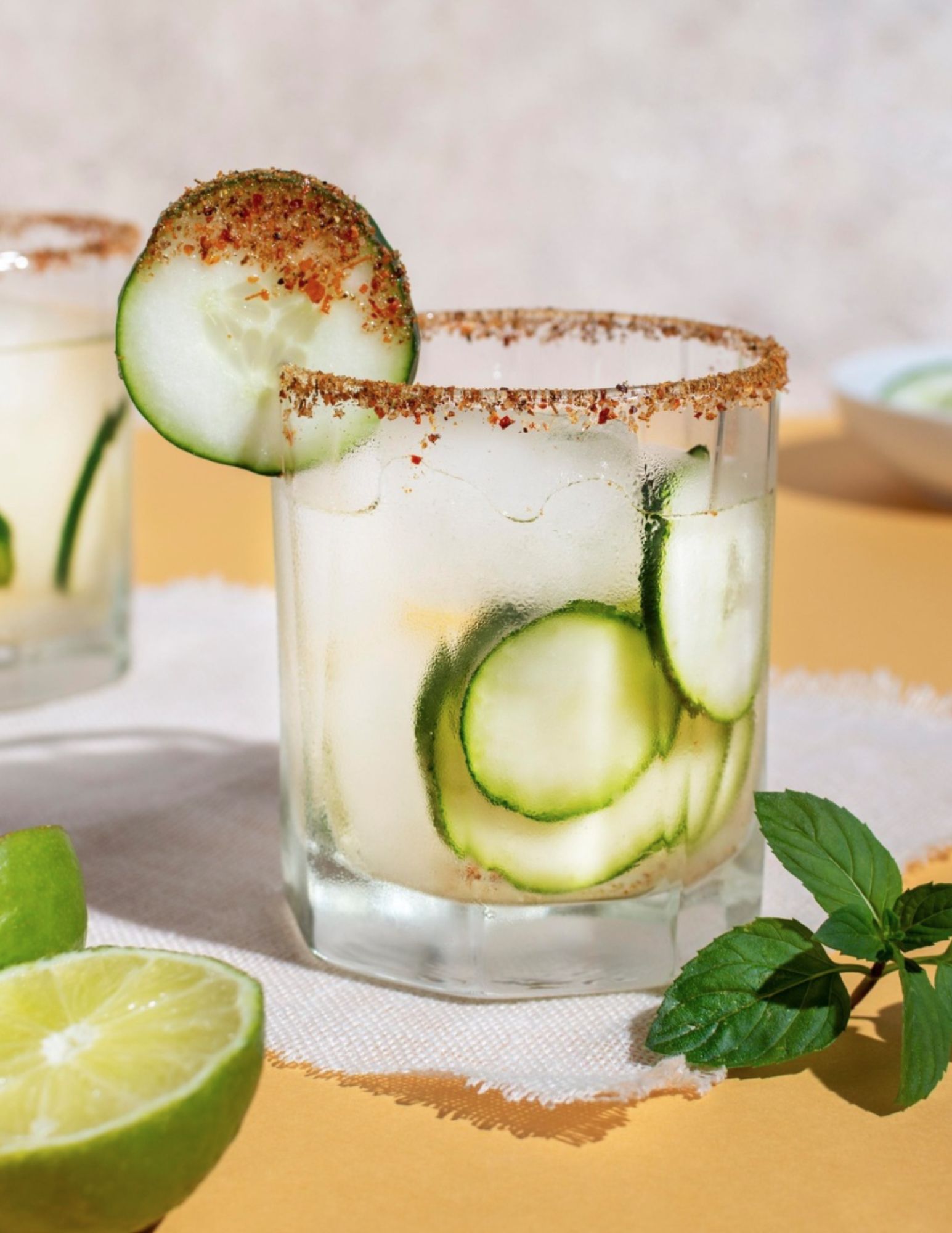
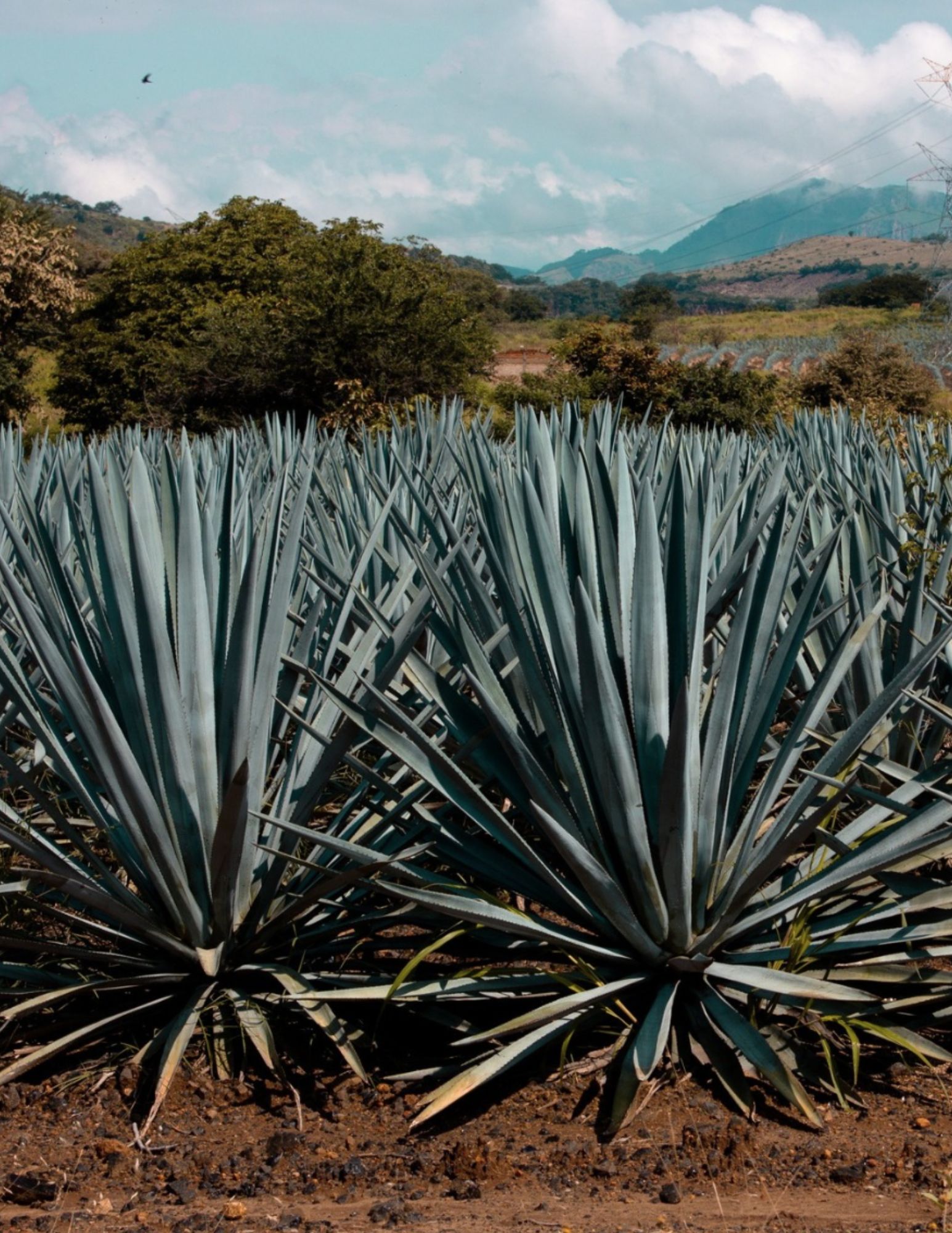

Tequila is deeply rooted in place. Explore how the ancient volcanic landscape of Jalisco’s Amatitán Valley infuses our 100% Blue Weber agave with unique earthy mineral notes, natural crispness, and unmistakable character.
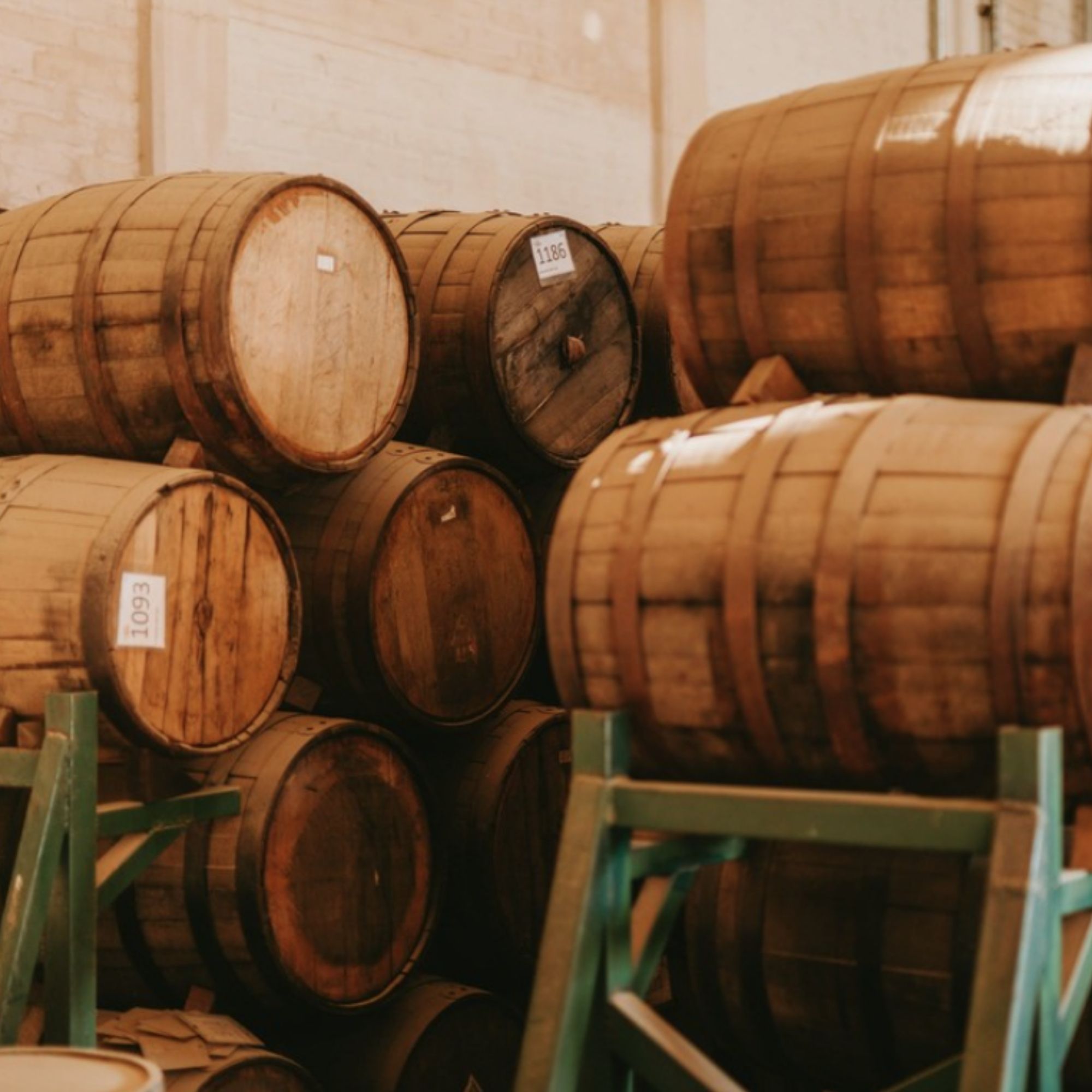
To understand exceptional tequila, you must first understand terroir. Just as wine reflects the soil and sun of its vineyard, tequila is an unvarnished reflection of the land where its agave grows.
Nestled in the lowlands of Jalisco, Mexico, the Amatitán Valley offers one of the most distinctive tequila-growing environments in the world. Dominating the landscape is the Volcán de Tequila, an extinct volcano whose historic eruptions blanketed the surrounding fields in dense, nutrient-dense volcanic ash.
Over centuries, this ash decomposed into rich, iron-heavy soil—a dark red, highly porous earth that provides the perfect cradle for Blue Weber agave.
Agave plants act like natural sponges, absorbing the specific mineral composition of their environment over a growth cycle of 5 to 7 years. In the Amatitán Valley, this unique soil imparts character traits that define true artisanal tequila:
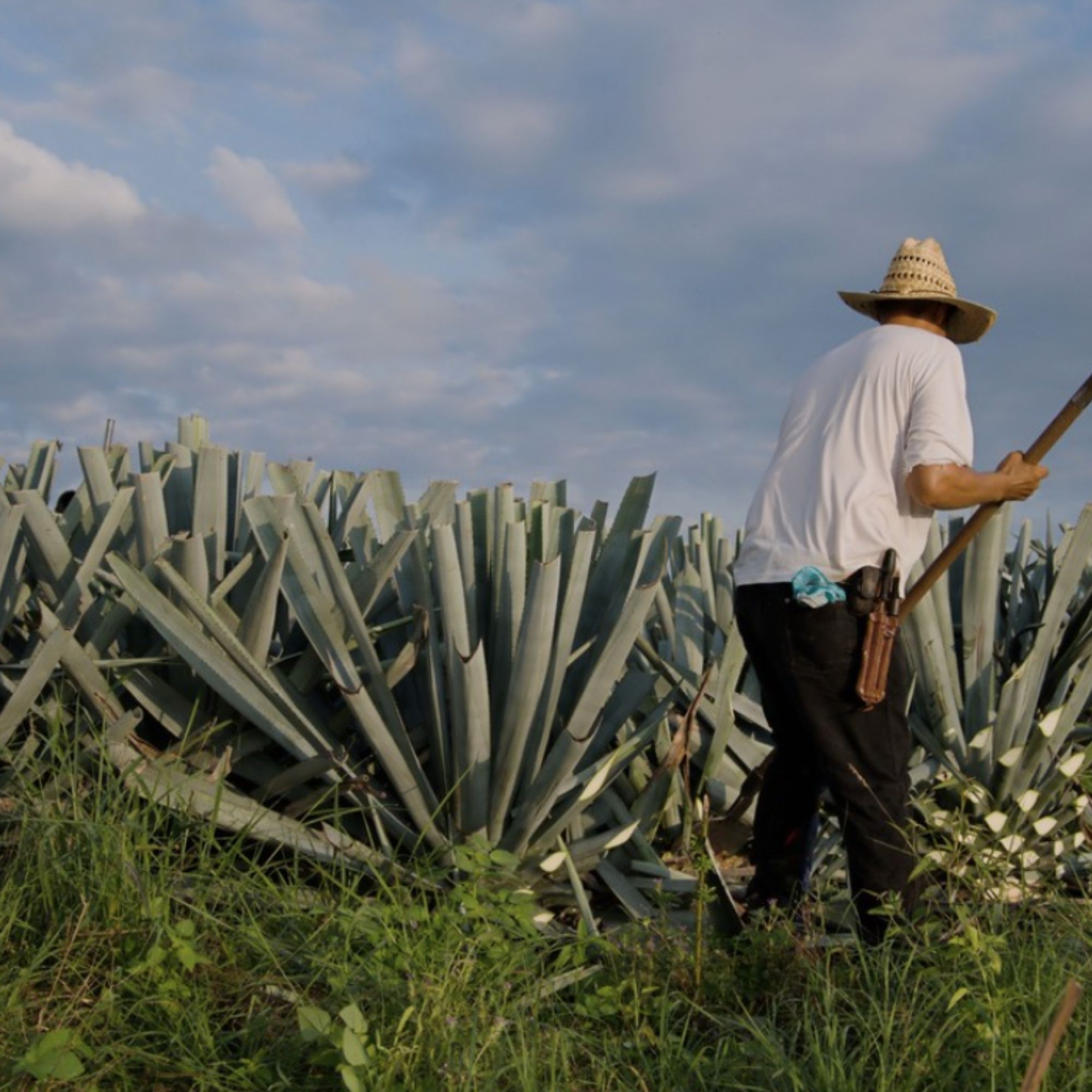
"The earth remembers its history. In Amatitán, thousands of years of volcanic soil and natural spring water craft an agave profile that no industrial shortcut can ever replicate."
Terroir isn't limited to soil—it extends to the water used during production. At Tequila Querendón, we combine our estate-grown agave with 100% natural volcanic spring water drawn from local sources.
Filtered naturally through layers of basaltic rock, this water retains vital minerals that feed our proprietary Propia yeast during open-air fermentation. It preserves the natural crispness of the estate and enhances the smooth, velvety mouthfeel of the final spirit.
"Great spirits aren't made in a laboratory; they are harvested from the earth. Every bottle of Querendón preserves the natural crispness and ancient character of the valley."
At our home estate in Jalisco (NOM 1466), we honor the land by intervening as little as possible:
When you taste Tequila Querendón, you aren't just tasting agave—you are tasting the volcanic legacy of the Amatitán Valley.